


 Línguas: Portuguese











Soluções
A Horse Construction oferece uma ampla gama de materiais de reforço estrutural, incluindo suporte técnico, suporte de documentação, suporte de produtos, suporte de software e suporte de projeto.
Uma tabela pode entender as causas de rachaduras de concreto

Pode analisar a causa da formação de crack a partir desta imagem?Se não, você pode dar uma olhada na tabela seguinte, e Horse Construction irá resumir para você. Como analisar a causa da formação do crack através das características de aparência das fissuras de concreto.
| Causas das rachaduras | Características das fissuras | |
| 1. Materiais de betão | 1.A configuração do cimento (tempo) é anormal | As fissuras irregulares aparecem no estágio inicial do ajuste do concreto de área maior |
| 2.Expansão anormal do cimento | Rachadura de rede radial | |
| 3.Polpa flutuante e afundamento quando o concreto é fixado | Uma ou duas horas após o concreto ser derramado, ocorre intermitentemente na barra de aço e na junção da parede e do chão. | |
| 4.Lama agregada | Rachaduras secas irregulares semelhantes à rede aparecem na superfície do concreto | |
| 5.Calor de hidratação do cimento | 1 a 2 semanas após o concreto maciço ser derramado, rachaduras retas em intervalos regulares aparecem em intervalos regulares, algumas na superfície e algumas através | |
| 6.Endurecimento e retração de secagem de betão | Dois ou três meses após o derramamento, ele gradualmente apareceu e se desenvolveu.As rachaduras oblíquas apareceram nas janelas e nos cantos finais de vigas e colunas. | |
| 2. Construção | 1.O tempo de mistura é demasiado longo | As fissuras reticuadas e as fissuras irregulares, longas e curtas, aparecem em todo o tabuleiro |
2. Aumentar a quantidade de água e cimento ao bombear | Fácil de aparecer net-like e irregular rachaduras longas e curtas | |
3.O reforço pisou caoticamente, e a camada protetora de aço foi afinada | Ocorre em torno das costelas de concreto e ao longo da superfície da armadura e tubagem | |
4.A velocidade de derramamento é muito rápida. | Após o derramamento de 1 a 2 horas, surgiram rachaduras na barra de aço, na junção da parede e da laje, da viga e do pilar. | |
5.Derramar é desigual e não denso | Fácil de se tornar o ponto de partida de várias rachaduras | |
6.o modelo de volume | Paralelo à direção de movimento do modelo, algumas rachaduras aparecem | |
7.Mau manuseamento de barba | As rachaduras frias aparecem na barba | |
8.Vibrar ou carregar antes de endurecer | Cracks no estado estressado aparecem após endurecimento | |
9. Manutenção inicial insuficiente | Pouco depois de derramar a carta, rachaduras curtas irregulares e rachaduras finas apareceram na superfície. Após a demolição, a superfície do concreto aparece branca, oca, etc. | |
| 10.Lavatório de pilares de forragem | As fendas aparecem nas extremidades das vigas e lajes de piso e abaixo da parte média | |
| 3.Influência dos factores climáticos e ambientais | 1. Temperatura, mudança de temperatura | Semelhante às fissuras de encolhimento, as fissuras existentes mudam com as mudanças de temperatura e temperatura ambientais. |
| 2.A diferença de temperatura e umidade entre os dois lados da barra de concreto | No lado de baixa temperatura ou baixa umidade, é fácil de ocorrer nos cantos | |
3.Múltiplos ciclos de corte por congelação | No lado de baixa temperatura ou baixa umidade, é fácil de ocorrer nos cantos | |
4.A superfície de fogo é aquecida | As rachaduras da cabeça da tartaruga aparecem em toda a superfície | |
5.Corrosão e expansão de barras de aço, rachaduras grandes, até mesmo espalmando, e fluxo de água enferrujada ao longo das barras de aço, etc. | Grandes rachaduras aparecem ao longo das barras de aço, até mesmo descascando, água enferrujada, etc. | |
| 6.Corroídos por ácido e sal | Ou a superfície do concreto está corroída, ou substâncias expansivas são produzidas, e ela colapsa. | |
| 4. Estrutura e influência externa | 1. Sobrecarga | As fissuras verticais aparecem no lado de tensão da viga e do chão |
| 2.Terremotos e cargas acumuladas | 45° rachaduras oblíquas ocorrem em colunas, vigas, paredes, etc. | |
| 3. Quantidade insuficiente de barras de aço na secção | As fissuras verticais aparecem no componente sob tensão | |
| 4.Subvenções indevidas da fundação da estrutura | 45° grande fissura ocorreu | |
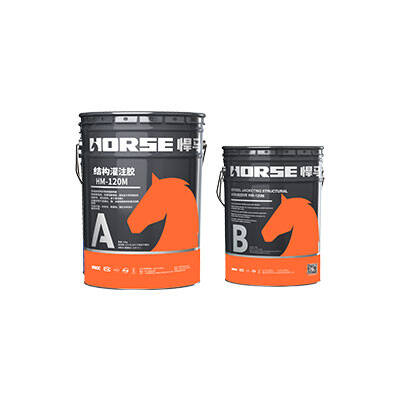
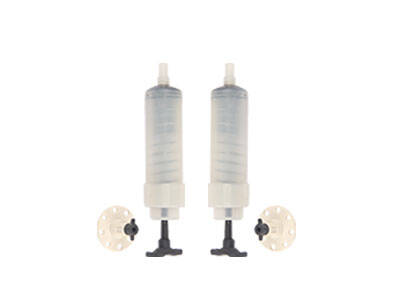
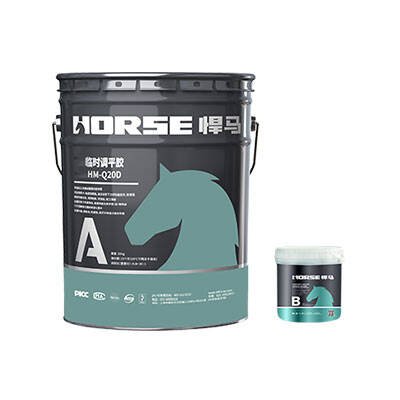
Você pode encontrar tudo o que precisa aqui. Confie e experimente esses produtos, você vai perceber uma grande diferença depois.

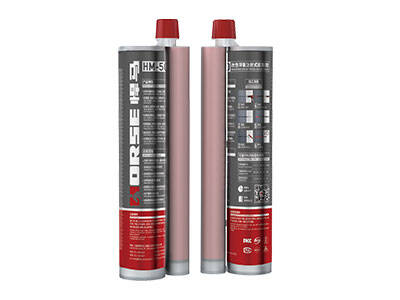
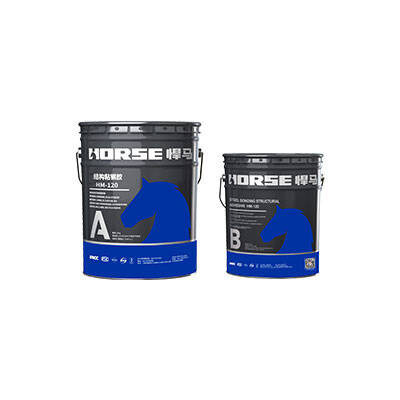
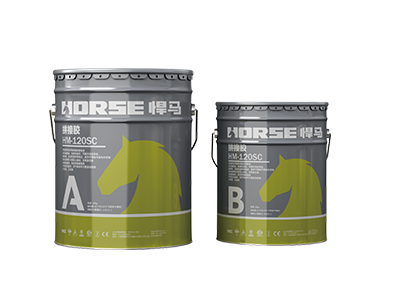
O adesivo para selagem de rachaduras HM-9 é um adesivo de resina epóxi modificado de dois componentes, frequentemente usado com adesivo para vazamento de rachaduras para selagem de rachaduras e fixação de bicos de injeção.

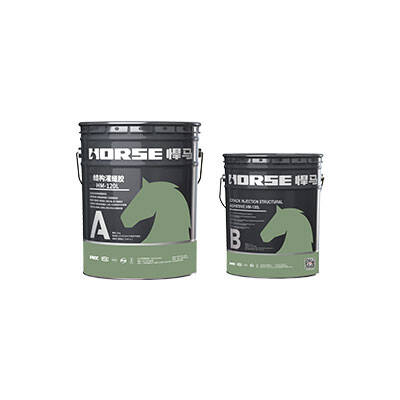
O adesivo para injeção de rachaduras em concreto Horse HM-120L é um epóxi usado para reparar rachaduras em concreto por injeção. O epóxi tem alta propriedade de penetração. Injeção de baixa pressão de rachaduras em concreto estrutural.

